
Compare Local Contractors for Insulated Siding Installation Success
Compare local contractors to define project scope, verify experience, and set clear expectations for insulated siding installation.
Insulated siding installation involves attaching specialized panels to the exterior of a building to enhance energy efficiency and improve curb appeal. This work typically covers preparing the existing surface, selecting appropriate materials, and properly installing the insulated panels to ensure durability and performance. Contractors may also handle related tasks such as removing old siding, addressing underlying structural issues, and ensuring the finished surface meets local building standards. Understanding the scope of this work helps property owners clarify what services are included and establish realistic expectations for the project.
Defining the scope of insulated siding installation is essential to avoid misunderstandings and ensure the project aligns with specific property needs. Clear communication about the extent of work-such as whether existing siding will be removed, if additional insulation layers are included, or if finishing touches like trim and sealing are part of the job-can prevent delays and surprises. It’s also important to confirm what is not included in the scope, so property owners can plan accordingly and avoid potential conflicts. A detailed, written scope provides a shared understanding between property owners and contractors, making the process smoother and more transparent.
When comparing local service providers for insulated siding installation, property owners should consider each contractor’s experience with similar projects and their reputation within the community. Verifying how long a contractor has been working in the area, reviewing any available references, and assessing their familiarity with local building codes can help gauge reliability and expertise. It’s also beneficial to review how each contractor approaches project scope, communication, and documentation. By evaluating these factors, property owners can make informed decisions and select a contractor whose approach aligns with their project needs and expectations.
Compare local contractors by outlining project priorities, verifying experience, and clearly defining scope and expectations in writing.
- Compare Contractor Credentials - Review experience and qualifications to ensure contractors meet project requirements.
- Define Project Scope Clearly - Establish detailed work descriptions to align expectations and prevent misunderstandings.
- Verify Experience with Insulated Siding - Confirm that service providers have relevant experience in installing insulated siding systems.
- Document Agreements in Writing - Keep all project details, scope, and expectations documented to support clear communication.
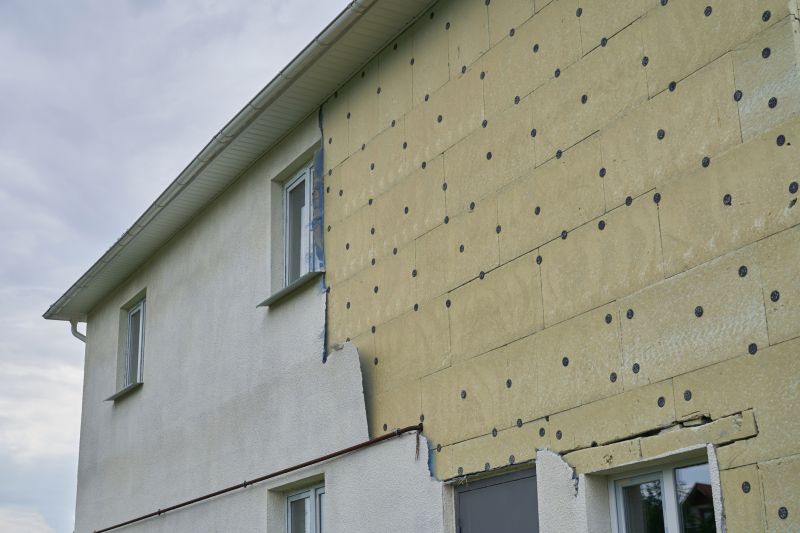
Before comparing local contractors for insulated siding installation, clearly define your project scope and expectations in writing.
- Verify experience and expertise in insulated siding installation with local contractors. Ensure scope of work is clearly defined and documented in writing before beginning the project.
- Compare multiple service providers to assess their familiarity with different types of insulated siding materials and installation techniques. Check that contractors provide detailed project plans outlining the installation process and materials used.
- Assess the contractor’s ability to follow industry best practices for insulation and siding attachment methods. Confirm that the scope, materials, and expectations are outlined in a written agreement to prevent misunderstandings.
- Evaluate the contractor’s reputation and references for past insulated siding projects to gauge their reliability and quality of work. Ensure all project details, including scope, materials, and responsibilities, are documented in a comprehensive contract.
- Discuss and clarify any warranties or guarantees offered on workmanship and materials before work begins.
Compare local contractors’ experience, define project scope clearly, and set expectations in writing.
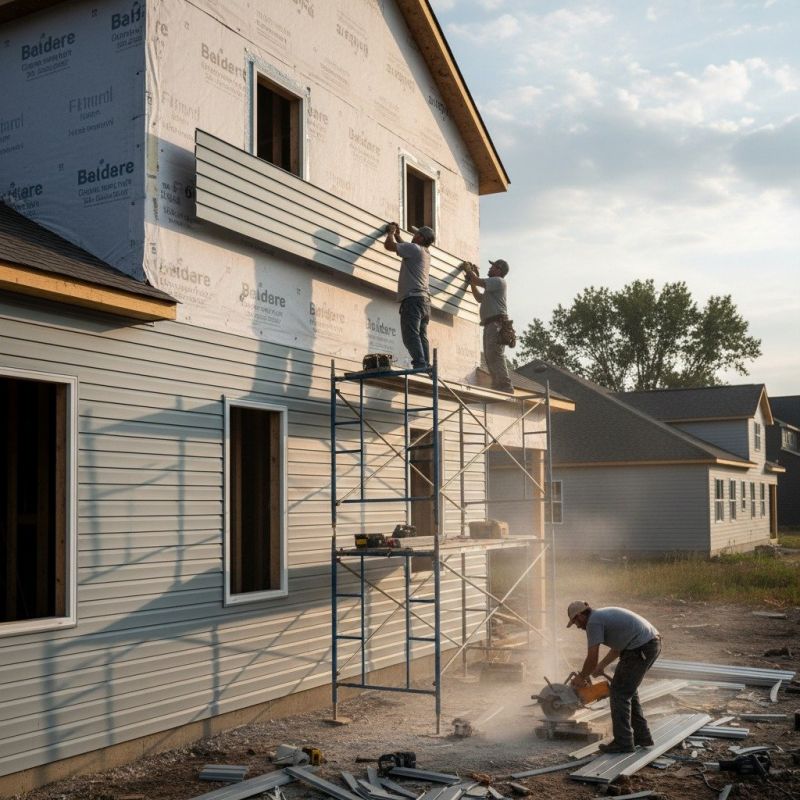
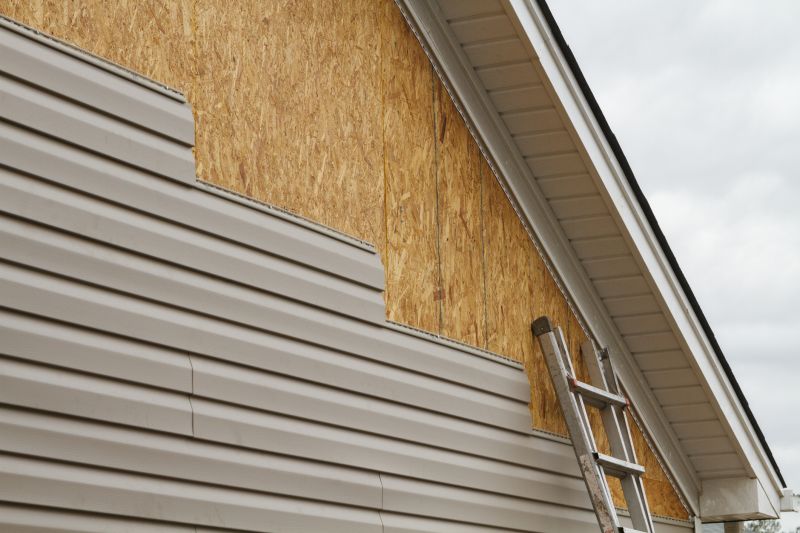
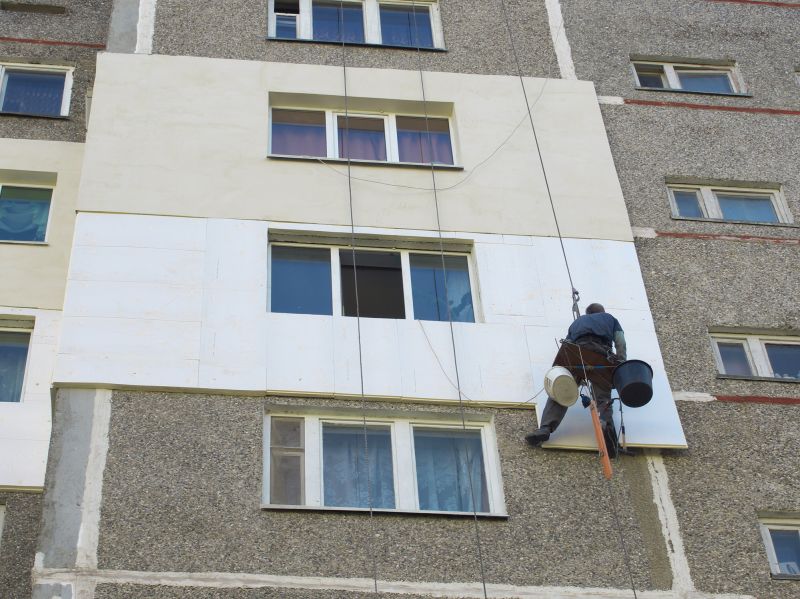
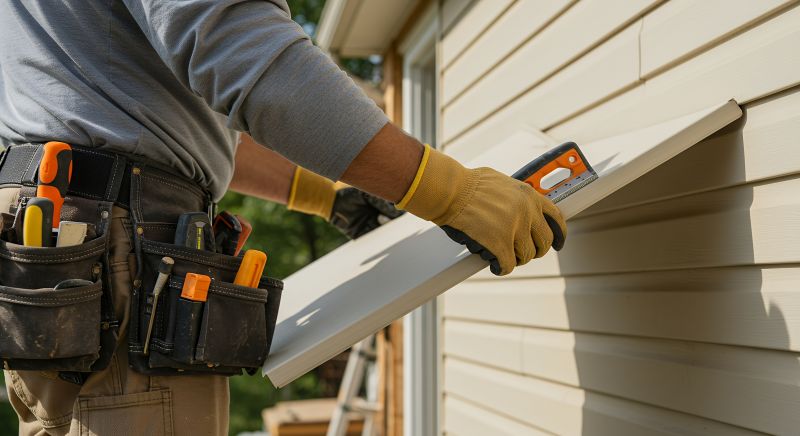
Use clear, consistent criteria to compare local contractors’ scope, experience, and written expectations for insulated siding installation.
- Scope Definition - Clearly outline the specific tasks and materials involved in the insulated siding installation project.
- Experience Verification - Confirm that local contractors have relevant experience with insulated siding systems and similar projects.
- Material Specifications - Specify the types and qualities of siding materials and insulation to be used in the installation.
- Installation Standards - Establish the required installation methods and quality expectations to ensure proper performance.
- Written Agreement - Document all project details, scope, and expectations in a formal agreement to prevent misunderstandings.
When comparing contractors for insulated siding installation, it is essential to evaluate their experience with similar projects. Seek out service providers who have a proven track record of handling insulated siding or comparable exterior renovation work. A contractor’s familiarity with the specific materials, installation techniques, and challenges associated with insulated siding can influence the quality and durability of the finished project. Asking for examples of past work or references related to insulated siding can help gauge their expertise and ensure they have relevant hands-on experience.
A clear, written scope of work is a critical component when assessing potential contractors. The scope should detail each phase of the project, including preparation, installation, and any finishing touches. A well-defined scope helps prevent misunderstandings and ensures that both parties have aligned expectations about what will be done. When reviewing proposals or estimates, look for detailed descriptions of the work to confirm that the contractor’s plan matches your project needs and that there are no ambiguities or overlooked elements.
Verification basics involve confirming that service providers have the necessary background to perform quality work. This includes checking their familiarity with local building codes, understanding their processes for quality control, and ensuring they have the appropriate tools and resources. It’s also helpful to inquire about their approach to project management and how they handle unforeseen issues. While licensing and certification are not discussed here, verifying experience through references and past project reviews can provide insight into their reliability and professionalism.
Evaluating options without focusing on prices involves considering the quality of materials proposed, the clarity of the scope, and the contractor’s experience. Look for detailed proposals that outline the work process, materials, and any warranties or guarantees offered. Comparing how each service provider communicates their plan can reveal their level of professionalism and attention to detail. Taking the time to understand each contractor’s approach and verifying their experience can help ensure the selection of a skilled professional capable of delivering a successful insulated siding installation.
Ask contractors to provide written scope details to ensure clear expectations and consistent project understanding.
- Experience and Expertise - What specific experience do local contractors have with insulated siding installation projects?
- Scope of Work - How will the scope of the project be defined and documented in the contract?
- Materials and Methods - What types of insulation and siding materials do the service providers recommend and why?
- Project Process - How do local contractors plan to handle preparation, installation, and finishing details?
- Warranty and Guarantees - What warranties or guarantees are offered for the work and materials provided?
What should I consider when choosing a contractor for insulated siding installation? It's important to review their experience with similar projects, verify their reputation through references or reviews, and ensure they clearly define the scope of work in writing to set proper expectations.
How can I verify a contractor's experience with insulated siding? You can ask about their previous projects, request references, or inquire about their familiarity with the specific types of siding you want to install to ensure they have relevant experience.
Why is it helpful to compare multiple contractors for this service? Comparing different service providers allows for evaluating their scope definitions, communication clarity, and professionalism, helping to find a contractor who aligns with your project needs.
What details should be included in a written scope of work? A comprehensive scope should specify the materials to be used, the installation process, project milestones, and any warranties or guarantees offered by the contractor.
How can I ensure that a contractor understands my project requirements? Clearly communicate your expectations, ask for a detailed written proposal, and confirm that all aspects of the project are addressed before proceeding.
What role does local experience play in choosing a siding contractor? Local contractors familiar with regional building codes and climate conditions are often better equipped to provide quality installation tailored to your area.
By understanding the key aspects of insulated siding installation, visitors can better evaluate and compare local contractors. Clarifying the scope of work, verifying relevant experience, and having clear project expectations in writing are essential steps to help ensure a smooth process. Utilizing the quote form provides an efficient way to connect with service providers who can handle the job, making it easier to explore options in the area.
Taking the time to gather information and communicate your project needs can lead to more informed decisions when selecting a contractor. The quote form is a useful tool for connecting with qualified local service providers, enabling comparison of options without the need for commitments. This approach helps ensure that the chosen contractor aligns with your project requirements and expectations.